Table of Contents
Features of the Loncin 764CC Gasoline Engine

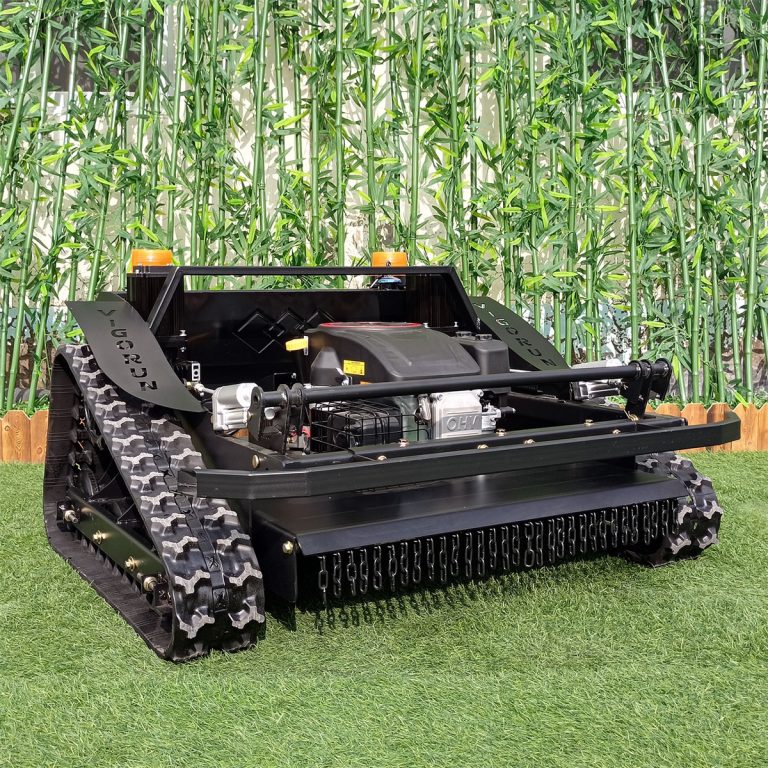
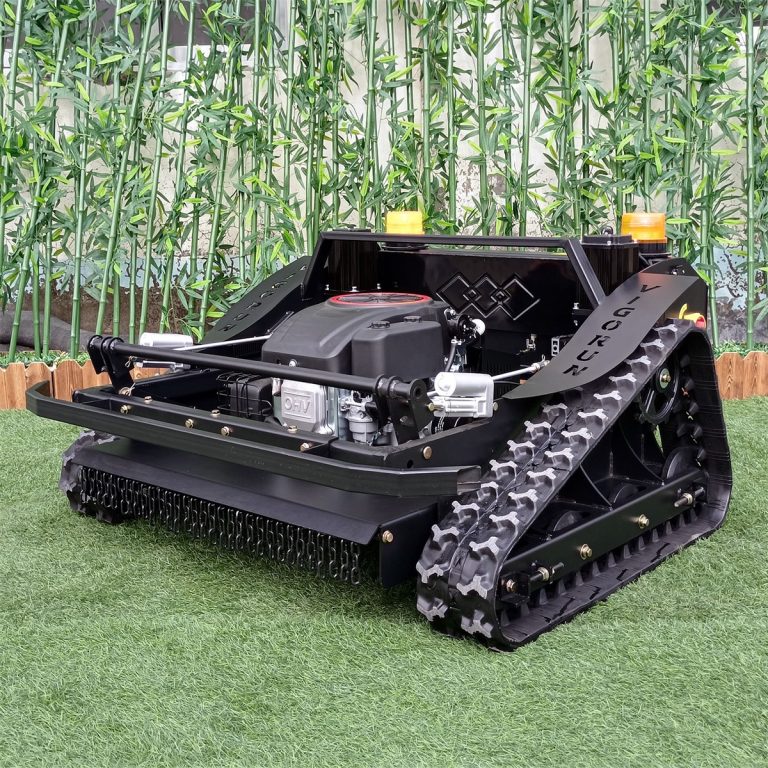
 The Loncin 764CC gasoline engine is a powerhouse designed for efficiency and performance. This engine boasts a V-type twin-cylinder configuration, specifically the Loncin brand model LC2V80FD. With a rated power output of 18 kW at 3600 rpm, it ensures robust functionality across various tasks, making it an ideal choice for heavy-duty applications.
This engine is equipped with a clutch that engages only when a predetermined rotation speed is reached, providing a seamless experience during operation. Such design not only enhances the machine’s reliability but also contributes to fuel efficiency, allowing operators to maximize their productivity without compromising on safety.
The Loncin 764CC gasoline engine is a powerhouse designed for efficiency and performance. This engine boasts a V-type twin-cylinder configuration, specifically the Loncin brand model LC2V80FD. With a rated power output of 18 kW at 3600 rpm, it ensures robust functionality across various tasks, making it an ideal choice for heavy-duty applications.
This engine is equipped with a clutch that engages only when a predetermined rotation speed is reached, providing a seamless experience during operation. Such design not only enhances the machine’s reliability but also contributes to fuel efficiency, allowing operators to maximize their productivity without compromising on safety.
 In addition to its impressive power, the Loncin engine’s performance is complemented by advanced torque management through a high reduction ratio worm gear reducer. This feature multiplies the already substantial servo motor torque, ensuring climbing resistance and excellent performance even in challenging terrains.
Advanced Control and Safety Mechanisms
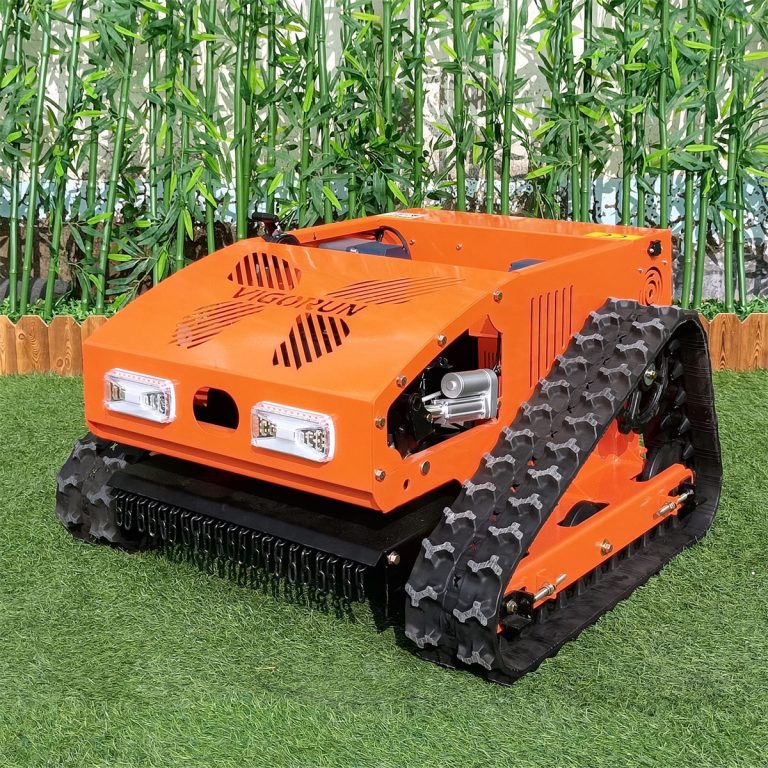
Safety and control are paramount in the design of the Loncin 764CC gasoline engine working degree 55 rubber track RC forestry mulcher. The machine features a built-in self-locking function, ensuring it remains stationary unless both power is applied and throttle input is given. This significantly minimizes the risk of unintended movement, enhancing operational safety for users. The intelligent servo controller plays a critical role in regulating motor speed and synchronizing the left and right tracks. This sophisticated system allows the mower to maintain a straight path, reducing the workload on operators. It also lessens the risks associated with over-corrections, especially when navigating steep slopes, thus facilitating a smoother mowing experience. Moreover, the MTSK1000 is equipped with a 48V power configuration, which sets it apart from many competing models that utilize 24V systems. The higher voltage reduces current flow and minimizes heat generation, allowing for longer continuous operation while lowering the chances of overheating. This ensures the machine maintains stable performance throughout extended tasks, particularly in demanding environments.